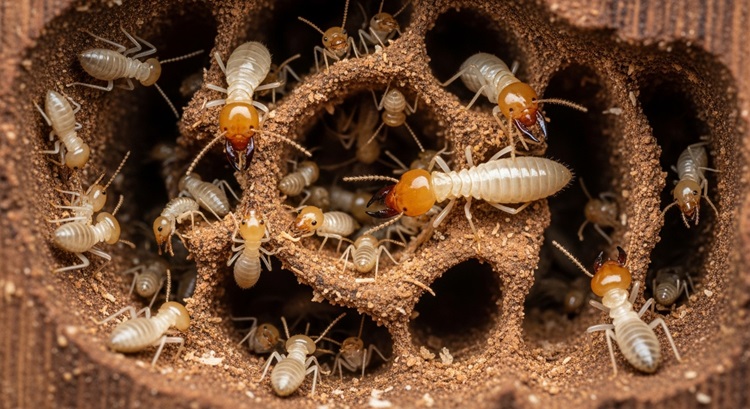
Many homeowners in Portland may deal with termites occasionally. These people may wonder if these pests can harm their pets. Termites do not hunt animals or seek contact with dogs and cats, but their presence can still indirectly affect pet safety. Pet owners can clear up their fear if they understand how termites behave and how pets interact with infested spaces. Also, they can work with technicians at Pointe Pest Control to help them handle an infestation.
Termites do not bite pets, sting them, or spread disease through direct contact. These insects feed on wood, paper, and other cellulose-based materials. Termites that may come across a dog or cat during play or exploration may scatter. Termites lack venom or aggressive instincts. Thus, they may not directly harm pets. However, indirect risks still exist, especially in homes with active infestations.
Table of Contents
Accidental Ingestion and Digestive Upset
Pets explore with their mouths. They may try to eat termites that swarm or appear near baseboards. Termites may not cause serious issues, since their bodies do not contain toxins that poison pets. However, a pet that eats many termites may deal with mild digestive trouble. Vomiting or loose stool can occur, especially in smaller animals. The risk may increase due to chemical exposure if treated wood or contaminated debris sits nearby. Portland homes often rely on moisture control to reduce termite risk. Pets may gain access to damaged wood, dust, or debris that holds treatment residue when infestations go unnoticed.
Structural Damage that Can Lead to Injury
Termites can weaken wood, which can affect floors, stairs, decks, and wall supports. Pets that run, jump, or scratch at damaged areas may trigger collapse or breakage. Many homes in Portland feature crawl spaces, wooden decks, and older framing, so termite damage can hide beneath the surface. A dog that digs near a soft baseboard or scratches at a wall may fall through weakened wood. Cats that climb or perch on shelves may face similar risks if support structures lose strength.
Termite Treatments and Pet Safety
Professional treatments often involve liquid barriers, bait systems, or wood treatments. When applied correctly, these methods remain safe for pets once dry or secured. Problems arise when pets access treated areas too soon or chew on bait stations. Some chemicals used in termite control can cause irritation, drooling, or nausea if a pet comes into contact with them. Portland homeowners should discuss pet habits with pest professionals before treatment. This helps ensure that application methods match the household setup.
Moisture Issues That Attract Termites Also Affect Pets
Termites thrive in damp environments, and Portland’s climate supports higher moisture levels throughout the year. Conditions in bathrooms, basements, crawl spaces, and laundry areas can attract termites. These same damp areas can affect pet health. Mold growth, musty air, and excess humidity may trigger respiratory trouble in pets, especially those with allergies. Pets that sleep near floors or spend time in basements may feel the effects sooner than people.
Can Pets Can Bring Termites Inside?
Pets do not transport termites into homes in the way fleas or ticks move. Termites live in colonies tied to soil or wood sources and do not hitch rides on fur. A dog that plays outside will not bring termites indoors on its coat. However, pets may scratch at infested wood or dig near foundations, which can expose hidden damage. This activity may reveal termites that already exist.
How to Protect Pets in Termite-Prone Homes
Pet safety starts with prevention. Regular home inspections help detect termite activity before damage grows severe. Annual checks are important due to moisture levels and mild winters in Portland. Keep pets away from crawl spaces, damaged wood, and storage areas with cardboard or untreated lumber. During termite treatment, follow guidance on reentry times and secure bait stations out of reach. In addition, good ventilation, proper drainage, and moisture control can make a home less appealing to termites. Also, these can support a healthier indoor space for pets.