Waterfalls have long been admired for their ability to bring movement, sound, and beauty into outdoor environments. While many water features can enhance a property, the most successful designs are those that appear as if nature created them over time. A naturally formed waterfall does not draw attention to the construction process. Instead, it blends effortlessly into the landscape and feels like a permanent part of the setting.
Creating this effect requires thoughtful planning, careful material selection, and a strong understanding of natural landscapes. Every detail contributes to the final result.
Table of Contents
Drawing Inspiration From Natural Environments
The most authentic waterfall designs begin with observation. Natural streams, rivers, and mountain waterfalls provide valuable inspiration for creating realistic water features.
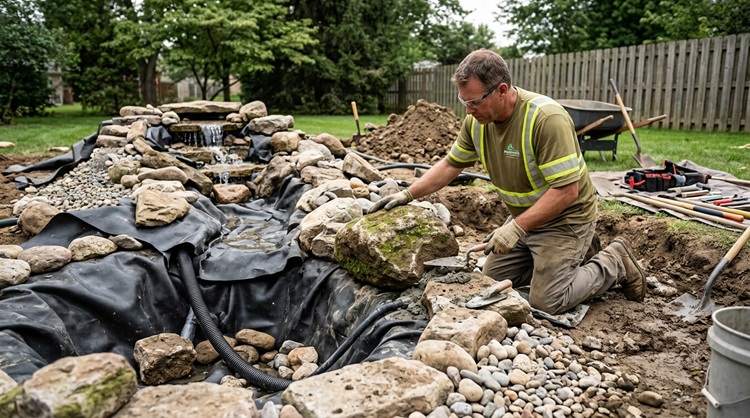
Designers often study how water interacts with rocks, vegetation, and elevation changes in nature. By replicating these patterns, it becomes easier to create a waterfall that looks organic rather than artificially assembled. The goal is not to copy a specific location but to capture the characteristics commonly found in natural water systems.
Avoiding Perfect Symmetry
Nature rarely creates perfectly balanced formations. One of the biggest mistakes in waterfall construction is arranging rocks and water paths too evenly.
Natural-looking waterfalls benefit from irregular shapes, varied heights, and unpredictable flow patterns. Slight imperfections create visual interest and help the feature feel more authentic. Water should appear to have found its own route through the landscape rather than being forced into a rigid design.
Using Multiple Water Speeds
A realistic waterfall often includes areas where water moves at different speeds. Some sections may feature gentle movement over flat stones, while others create faster cascades through narrower passages.
This variation adds character and prevents the feature from appearing monotonous. Different water speeds also create changing reflections and textures that enhance the overall visual experience.
Selecting Materials That Age Gracefully
The materials used in waterfall construction have a significant impact on the long-term appearance. Natural stone is often preferred because it develops character as it ages and weathers.
Over time, exposure to water and outdoor conditions can help rocks blend even more naturally into the environment. Moss, surrounding vegetation, and subtle color changes can contribute to a mature appearance that enhances realism.
Homeowners working with a professional waterfall contractor Beverly Hills often prioritize materials that maintain their beauty while supporting a natural aesthetic for many years.
Creating a Strong Relationship With Surrounding Features
A waterfall should never feel isolated from the rest of the property. Successful designs establish a visual connection between the water feature and nearby landscape elements.
Pathways, garden beds, seating areas, and outdoor living spaces can all be positioned to complement the waterfall. This relationship helps the feature become an integrated part of the property rather than a standalone attraction.
When all elements work together, the entire landscape feels more cohesive and inviting.
Designing for Different Viewing Angles
Many waterfalls are viewed from multiple locations throughout a property. A design that looks appealing from one direction may not have the same impact from another.
Careful planning ensures that the waterfall maintains its natural appearance from patios, windows, walkways, and gathering areas. Considering multiple viewpoints creates a more engaging experience and allows people to appreciate different aspects of the feature throughout the day.
Encouraging Wildlife Interaction
Naturally inspired waterfalls often attract birds, butterflies, and other beneficial wildlife. The combination of moving water, rocks, and vegetation can create an inviting habitat within the landscape.
Designers may include shallow edges, nearby plantings, or surrounding water gardens that support local wildlife activity. These additions enhance the sense that the waterfall belongs within a living ecosystem rather than functioning solely as a decorative feature.
Creating Year-Round Visual Interest
A thoughtfully designed waterfall remains attractive throughout every season. During warmer months, flowing water provides refreshment and movement. In cooler seasons, the surrounding rock formations and landscape structure continue to offer visual appeal.
By focusing on timeless design principles rather than temporary trends, homeowners can enjoy a feature that remains beautiful throughout the year.
Conclusion
The art of designing waterfalls that look naturally formed lies in creating harmony between water, stone, plants, and the surrounding environment. By embracing irregular shapes, varied water movement, natural materials, and strong landscape integration, designers can produce water features that feel authentic and enduring. The result is a peaceful outdoor focal point that captures the beauty of nature while enhancing the overall character of the property.