Kitchen waste grinders, commonly known as garbage disposals, have become a standard feature in many modern kitchens. They provide convenience by grinding food scraps and sending them through the plumbing system instead of throwing them away in the trash. However, homeowners with septic systems often question whether these devices are safe to use.
The concern is understandable. Septic systems rely on a delicate balance of bacteria and waste breakdown. Adding extra food waste into the system could potentially affect how the septic tank functions. This leads many homeowners to wonder whether installing a waste grinder will cause long-term issues.
The good news is that you can have a garbage disposal on a septic system, but it requires thoughtful use and proper maintenance. Understanding how these systems interact is essential for preventing septic overload, clogs, or expensive repairs.
This article explores the relationship between kitchen waste grinders and septic tanks, explains how they work together, and highlights the factors homeowners should consider before installing one.
Table of Contents
Understanding How Septic Systems Work
Before evaluating compatibility with kitchen waste grinders, it is important to understand how septic systems function. A septic system is designed to treat household wastewater in areas where municipal sewer systems are unavailable.
Wastewater from sinks, toilets, showers, and appliances flows into the septic tank. Inside the tank, solids settle at the bottom, forming sludge, while oils and grease float to the top as scum. Beneficial bacteria break down organic materials during this process.
The remaining liquid wastewater then moves into the drain field, where soil filtration completes the treatment process.
Because septic systems rely on natural bacterial processes, maintaining balance within the tank is essential. Excessive waste or improper materials entering the system can disrupt bacterial activity and reduce system efficiency.
This is why many homeowners question whether you can have a garbage disposal on a septic system without causing complications.
What Kitchen Waste Grinders Actually Do
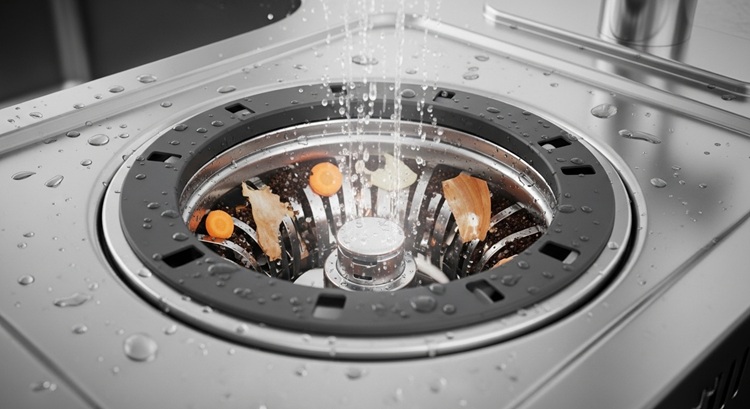
Kitchen waste grinders are designed to break down food scraps into small particles. These particles then flow through the plumbing system with water and enter the wastewater system.
While the grinder reduces the size of food waste, it does not eliminate the material entirely. Instead, it converts solid scraps into slurry that still contains organic matter.
Common food waste processed by garbage disposals includes:
- Fruit and vegetable scraps
- Small leftover food particles
- Soft food remnants from dishes
- Peels and organic kitchen waste
Once this ground material reaches the septic tank, it becomes part of the organic waste that bacteria must break down.
This increased load of organic material is the primary reason homeowners must carefully evaluate whether you can have a garbage disposal on a septic system without affecting performance.
Potential Challenges of Using Waste Grinders With Septic Tanks
Although garbage disposals can work with septic systems, they may introduce additional strain if used improperly. Septic tanks are designed to handle a certain volume of waste based on household size and water usage.
When food scraps are added regularly through a disposal unit, the organic load inside the tank increases. This can lead to faster accumulation of sludge and may require more frequent septic pumping.
Potential challenges include:
- Increased solid waste entering the septic tank
- Faster buildup of sludge and scum layers
- Higher demand on septic bacteria for waste breakdown
- Increased frequency of tank maintenance
If homeowners frequently dispose of large amounts of food waste through the grinder, the septic system may struggle to keep up with the added load.
However, with proper use and maintenance, these challenges can be minimized.
When Garbage Disposals Can Work Safely With Septic Systems
Despite the potential concerns, many homes successfully operate both garbage disposals and septic systems. The key is responsible usage and proper septic maintenance.
Modern septic systems and tanks are often designed with greater capacity and improved filtration compared to older systems. When properly sized, they can accommodate occasional food waste from garbage disposals.
Situations where waste grinders may work well with septic systems include:
- Homes with larger septic tanks
- Households that limit disposal use to small food scraps
- Systems that receive regular septic maintenance
- Homes using septic-safe disposal models
In these cases, it is entirely possible that you can have a garbage disposal on a septic system without significant issues.
Moderation and good maintenance practices remain essential.
Choosing Septic-Friendly Garbage Disposal Models
Not all garbage disposals are created equal. Some models are specifically designed to work more efficiently with septic systems.
Septic-friendly disposals often include features that help break down food waste more effectively. This reduces the size of particles entering the septic tank and allows bacteria to process waste more easily.
Features commonly found in septic-compatible disposals include:
- Multi-stage grinding mechanisms
- High-powered motors for finer grinding
- Bio-enzyme injection systems that support septic bacteria
- Anti-jam grinding chambers
These features help reduce the impact of food waste on septic tanks.
Homeowners considering installation should consult a plumbing professional to determine whether you can have a garbage disposal on a septic system based on their specific setup.
Best Practices for Using a Garbage Disposal With Septic Systems
Responsible usage plays a major role in protecting septic systems. Even when a disposal unit is installed, homeowners should limit the types of materials sent through it.
Certain foods can cause problems in both plumbing pipes and septic tanks.
Materials that should never be placed in garbage disposals include:
- Cooking grease or oils
- Coffee grounds
- Eggshells
- Fibrous vegetable stalks
- Large food scraps
Instead, homeowners should scrape most food waste into the trash or compost bin before rinsing dishes.
Running cold water while operating the disposal also helps move ground particles through the pipes efficiently.
Following these simple habits supports septic health and reduces the risk of system overload.
Maintenance Tips for Septic Systems With Waste Grinders
Proper maintenance becomes even more important when a garbage disposal is connected to a septic system. Routine inspections and pumping schedules help ensure the system continues functioning effectively.
Homeowners should consider these maintenance practices:
- Schedule septic tank pumping every three to five years
- Inspect septic systems regularly for early warning signs
- Avoid chemical drain cleaners that disrupt bacterial activity
- Monitor water usage to prevent system overload
Regular inspections allow professionals to detect issues before they escalate into major problems.
Maintaining this balance helps ensure that you can have a garbage disposal on a septic system without compromising long-term performance.
Signs Your Septic System May Be Overloaded
If a septic system begins experiencing stress from excessive waste, certain warning signs may appear. Recognizing these signs early allows homeowners to take corrective action.
Common indicators of septic strain include:
- Slow draining sinks or toilets
- Unpleasant odors near drains or the yard
- Standing water near the drain field
- Frequent plumbing backups
These symptoms may indicate that the septic system is receiving more waste than it can process.
When these signs appear, a plumbing professional should inspect the system promptly.
Conclusion:
Kitchen waste grinders offer convenience and efficiency in modern kitchens. However, when combined with septic systems, homeowners must consider how additional food waste affects wastewater treatment.
The key takeaway is that you can have a garbage disposal on a septic system, but success depends on responsible usage, proper equipment selection, and regular maintenance.
By choosing septic-friendly disposal models, limiting food waste input, and maintaining the septic system regularly, homeowners can enjoy the benefits of both technologies.
With thoughtful planning and good plumbing practices, garbage disposals and septic systems can work together efficiently for many years.